The Ultimate Guide to Yoga Holiday in Nepal
1/21/2026
Nestled between the towering Himalayan peaks and ancient spiritual traditions, Nepal offers something that modern yoga studios can never replicate: authenticity. This small nation, where Buddha was born and where yogis have meditated in mountain caves for millennia, provides the ideal setting for a transformative yoga journey.
A yoga holiday in Nepal isn't just about perfecting your downward dog. It's about waking up to sunrise views of snow-capped mountains, practicing meditation in centuries-old monasteries, and connecting with a living spiritual tradition that has survived thousands of years. Whether you're a complete beginner seeking inner peace or an advanced practitioner looking to deepen your practice, Nepal's diverse landscapes and rich yogic heritage create an environment where genuine transformation occurs.
The country's natural beauty serves as your backdrop—from the serene lakeside city of Pokhara to the vibrant energy of Kathmandu's spiritual heart. Add to this the warmth of Nepali hospitality, affordable retreat packages, and the opportunity to combine yoga with trekking, Ayurvedic treatments, and cultural immersion, and you have all the ingredients for an unforgettable wellness journey.
Understanding Different Yoga Styles in Nepal
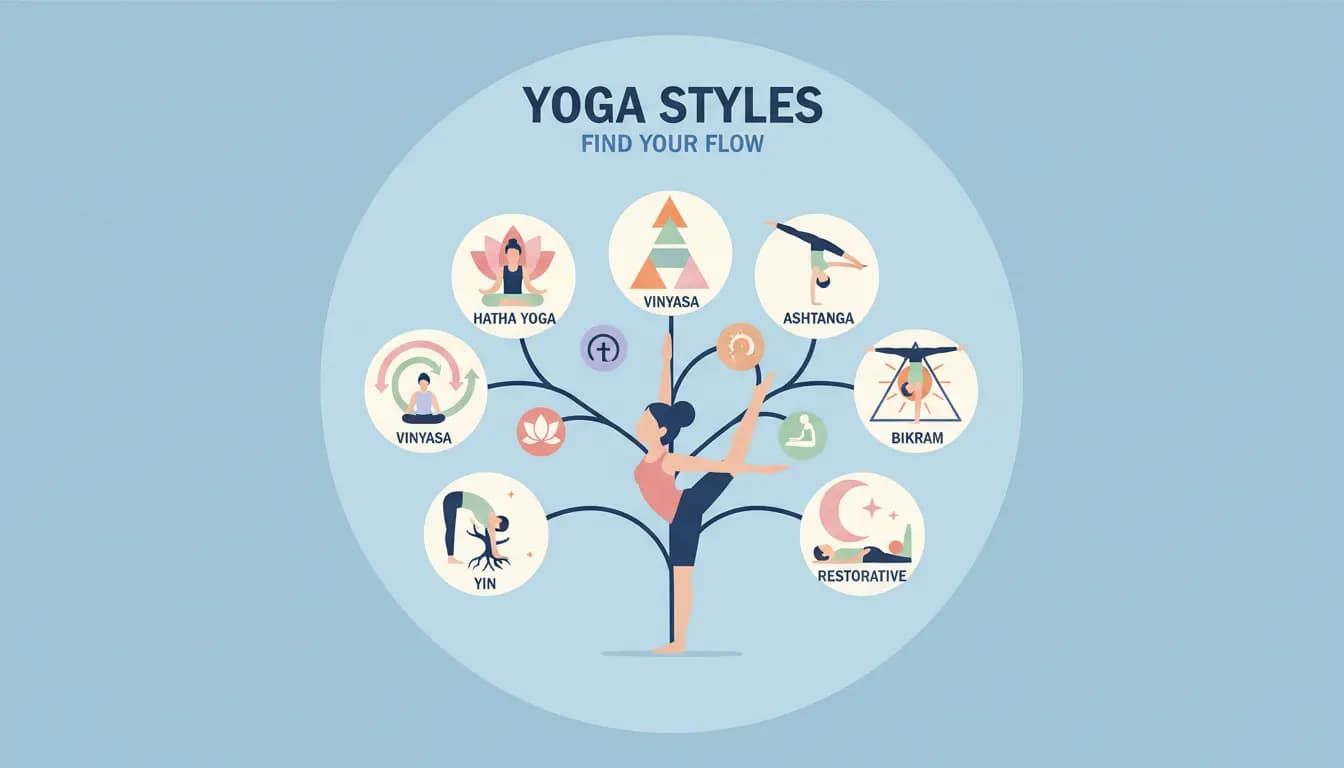
Nepal's yoga retreats offer diverse styles to match every practitioner's needs and experience level. Understanding these different types yoga styles in Nepal helps you choose the right practice for your holiday.
Hatha Yoga forms the foundation of most yoga practices in Nepal. This classical style focuses on physical postures (asanas) and breath control (pranayama), making it perfect for beginners and those seeking a balanced, accessible practice. Hatha classes in Nepali retreats typically move at a slower pace, allowing time to understand proper alignment and build strength gradually. The traditional approach you'll find here emphasizes the meditative aspects of holding poses, creating both physical and mental benefits.
Vinyasa Yoga appeals to those who enjoy flowing movement synchronized with breath. These dynamic classes link poses in sequences that build heat, strength, and flexibility. Vinyasa retreats in Nepal often incorporate elements of the natural environment—practicing sun salutations as the actual sun rises over the Himalayas creates a powerful connection between movement and nature. The creative sequencing keeps classes fresh and engaging while building cardiovascular fitness alongside flexibility.
Kundalini Yoga takes a more spiritual approach, working with energy channels in the body through specific breathwork, chanting, and dynamic movements. Nepal's spiritual atmosphere makes it an ideal place to explore this practice. Kundalini sessions typically include repetitive exercises, breath of fire techniques, and meditation with mantras. This style particularly attracts practitioners interested in the energetic and consciousness-expanding aspects of yoga.
Yin Yoga offers the perfect counterbalance to Nepal's adventure activities. This slow, meditative practice involves holding passive floor poses for several minutes, targeting deep connective tissues and creating space for introspection. After trekking through mountain trails, yin yoga sessions help release tension and restore the body. The contemplative nature of yin practice aligns beautifully with Nepal's meditative traditions.
Many retreats offer multi-style programs, allowing you to experience different approaches throughout your stay and discover which resonates most deeply with your needs.
Choosing the Right Yoga Package
Nepal's yoga retreats come in various package lengths and intensities, designed to fit different schedules, budgets, and wellness goals.
7-Day Yoga Retreats represent the most popular choice for international visitors. This duration provides enough time to settle into the rhythm of daily practice, experience meaningful transformation, and explore the local area without requiring extensive time away from work or family. A typical week includes twice-daily yoga sessions, meditation practices, healthy meals, and often includes excursions to local temples or natural sites. Seven days allows your body to adapt to new practices while giving your mind space to quiet and reset.
14-Day Immersive Programs suit practitioners seeking deeper transformation or those considering yoga teacher training. Two weeks provides time to establish new habits, work through physical limitations, and experience profound shifts in mental patterns. Extended programs often include additional elements like philosophy classes, one-on-one sessions with teachers, Ayurvedic consultations, or complementary practices like sound healing. The second week typically brings breakthrough moments as initial resistance fades and practices deepen.
Weekend Yoga Escapes cater to regional travelers or those with limited vacation time. While shorter, these intensive retreats pack maximum benefit into minimal time. Weekend formats work particularly well for residents of India or other nearby countries who can travel to Nepal easily. These condensed experiences focus on core practices and provide a refreshing break from routine, though they won't deliver the same depth of transformation as longer stays.
Custom Yoga Journeys offer ultimate flexibility for individuals, couples, or small groups with specific needs. Perhaps you want to combine yoga with Himalayan trekking, focus exclusively on meditation and pranayama, or bring your family for a wellness vacation that accommodates different experience levels. Custom packages allow you to choose your duration, destinations, practice styles, accommodation level, and additional activities. While typically more expensive per day, customized retreats ensure every aspect aligns with your vision.
When selecting a package, consider your primary intention. Are you seeking physical fitness, stress relief, spiritual growth, or simply a peaceful vacation? Your answer guides the ideal duration and program structure.
Top Yoga Destinations in Nepal
Nepal's diverse geography offers distinct settings for yoga practice, each with unique advantages and atmospheric qualities.
Pokhara: The Lakeside Yoga Paradise
Pokhara stands as Nepal's premier yoga destination, and for good reason. This lakeside city combines stunning Himalayan views with a peaceful, laid-back atmosphere that makes relaxation effortless. Located about 200 kilometers west of Kathmandu, Pokhara sits beside Phewa Lake with the Annapurna mountain range creating a dramatic backdrop.
The city's moderate altitude (around 800 meters) means comfortable temperatures year-round without the breathing challenges of higher elevations. Morning yoga sessions overlooking the lake, with Machhapuchhre (Fishtail Mountain) reflected in still waters, create unforgettable moments. The area offers perfect conditions for combining yoga with activities like gentle hiking, boating, or visiting nearby waterfalls and caves.
Pokhara's well-developed tourism infrastructure means excellent retreat centers with quality facilities, yet it maintains a tranquil vibe distinct from Kathmandu's intensity. The concentration of yoga schools and experienced teachers makes it easy to find programs matching any style or level. Many practitioners find Pokhara's natural beauty and peaceful energy ideal for deepening meditation practices and achieving the mental clarity they seek.
If you prefer staying closer to the lake, Tribikram Yoga sits on a hilltop in North Lakeside overlooking Phew Lake and the Shanti Stupa. Founded by PK after years at Sadhana Yoga Retreat, this family-run centre specializes in detox retreats combining fasting, Ayurvedic massage & traditional Hatha Yoga.
For those seeking a peaceful village setting away from the tourist bustle, one of the best yoga centres in Pokhara, a serene location in Ghachowk, offers traditional yoga with stunning Annapurna mountain views. The instructors trained in Indian Himalayan ashrams bring an authentic guru-shishya approach to daily yoga classes, retreats & provide Yoga Alliance-certified teacher training programs.
Kathmandu Valley: Cultural and Spiritual Immersion
Nepal's capital region offers yoga holidays infused with rich cultural and spiritual heritage. Practicing yoga in Kathmandu means proximity to ancient temples, stupas, and monasteries where spiritual traditions remain vibrantly alive. The valley holds seven UNESCO World Heritage Sites, allowing you to combine morning asana practice with afternoon visits to sacred sites like Boudhanath Stupa or Swayambhunath Temple.
Kathmandu-based retreats often emphasize the philosophical and spiritual aspects of yoga, with opportunities to attend teachings from Buddhist lamas or Hindu priests. The diverse international community means cultural exchange and connections with fellow travelers from around the world. Urban retreat centers provide comfortable facilities while maintaining access to Nepal's spiritual heart.
The trade-off is a busier, more stimulating environment compared to Pokhara's natural serenity. Kathmandu's energy suits practitioners who want cultural exploration integrated with their yoga practice, or those who prefer accessibility to the international airport for shorter stays.
Himalayan Mountain Retreats
For those seeking isolation and profound connection with nature, high-altitude yoga retreats in the Himalayan foothills offer unparalleled experiences. Centers near Nagarkot, Dhulikhel, or along trekking routes provide complete immersion in mountain energy. These remote locations create natural digital detox experiences—limited connectivity encourages full presence in practice.
Mountain retreats typically operate at 1,500 to 2,500 meters elevation, offering fresh air, pristine environments, and sweeping Himalayan panoramas. The physical challenge of practicing at altitude adds another dimension to your yoga journey, building cardiovascular strength and mental resilience. Sunrise yoga sessions with 360-degree mountain views become spiritual experiences in themselves.
These locations suit adventurous practitioners comfortable with simpler accommodations and limited amenities. The reward is authentic connection with Himalayan energy and often smaller group sizes that allow personalized attention from teachers.
Jungle and Wildlife Retreats
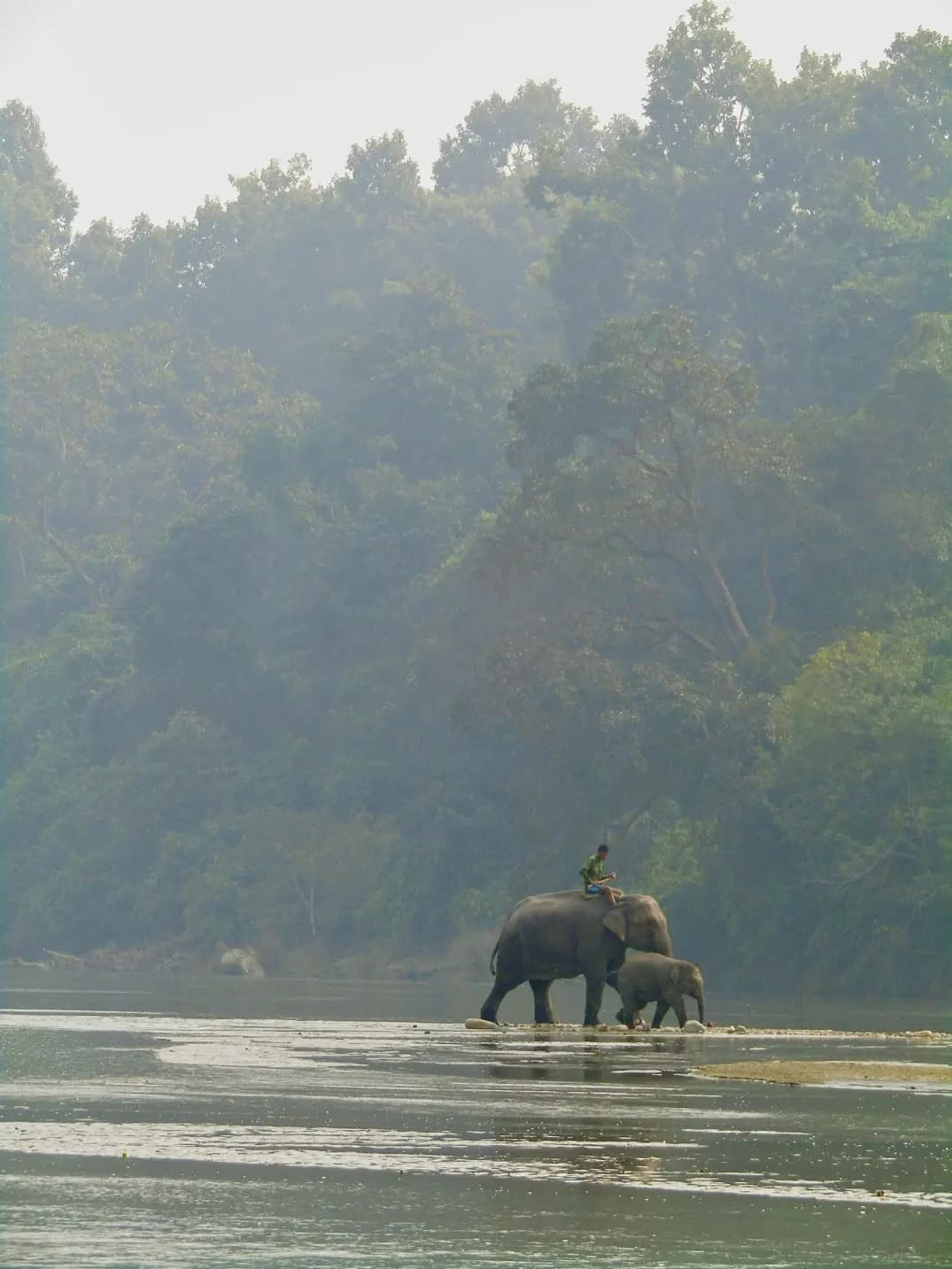
Nepal's southern Terai region, including areas near Chitwan National Park, offers unique jungle-based yoga experiences. Imagine practicing surrounded by subtropical forest, with elephant calls and exotic birds providing the soundtrack. These retreats combine yoga with wildlife safaris, nature walks, and Tharu cultural experiences.
The warm, humid climate contrasts dramatically with mountain regions, creating a different practice environment. Jungle settings particularly suit those interested in grounding practices, nature connection, or combining yoga with wildlife adventure. The lush greenery and abundant life force create an energizing atmosphere distinct from mountain serenity.
Planning Your Yoga Holiday: Practical Essentials
Proper planning ensures your yoga journey unfolds smoothly, allowing you to focus on practice rather than logistics.
Best Time to Visit Nepal for Yoga
Nepal's seasons dramatically affect your retreat experience. Autumn (September through November) offers the ideal combination of clear skies, moderate temperatures, and stable weather. Post-monsoon air clarity provides spectacular mountain views, while comfortable daytime temperatures make outdoor yoga sessions pleasant. This peak season sees higher prices and more crowds, but the conditions justify the premium.
Spring (March through May) provides the second-best window, with warming temperatures, blooming rhododendrons, and generally clear weather. Morning practices enjoy cool freshness before midday heat arrives. Visibility can be slightly hazier than autumn, but the season's renewal energy aligns beautifully with personal transformation intentions.
Winter (December through February) brings challenges and opportunities. Lower-altitude destinations like Pokhara and Kathmandu remain accessible with sunny days and cold nights. Mountain retreats may close or require serious cold-weather preparation. Winter's solitude and low-season pricing attract hardy practitioners who don't mind extra layers during morning meditation.
Monsoon season (June through August) sees fewer international visitors but offers its own magic. Lush green landscapes, fewer tourists, and significant discounts appeal to budget-conscious travelers. Rain typically falls in afternoon deluges rather than all-day drizzle, so morning yoga sessions often proceed unaffected. However, mountain views disappear behind clouds, and leeches emerge on hiking trails. Some retreat centers close entirely during monsoon.
Visa Requirements and Entry Procedures
Most nationalities receive visa-on-arrival at Kathmandu's Tribhuvan International Airport, making entry straightforward. Tourist visas cost $30 for 15 days, $50 for 30 days, or $125 for 90 days. Bring US dollars in cash (exact change recommended) and a passport-sized photo, though photos can be taken at the airport if needed.
The visa application process takes 15-30 minutes during typical times but can extend to an hour during peak season flights. Online pre-application through Nepal's immigration website speeds the process. Ensure your passport has at least six months validity remaining beyond your planned departure date.
Visa extensions are easily obtained in Kathmandu or Pokhara at immigration offices, allowing flexible plans. You can stay up to 150 days total per calendar year on tourist visas. Most yoga retreats provide guidance on visa processes and can arrange airport pickup to ease arrival logistics.
Packing Essentials for Your Yoga Retreat
Successful packing balances yoga practice needs with Nepal's variable conditions. Start with comfortable yoga clothing—bring enough for twice-daily practice without needing constant laundry. Layerable options prove essential as temperatures shift between early morning meditation and midday sun. Modest clothing respecting local culture works best, particularly for temple visits. Women should pack shawls or scarves for covering shoulders at religious sites.
Your own yoga mat is optional since most retreat centers provide quality mats, but if you're particular about equipment, bringing a lightweight travel mat ensures comfort. A meditation cushion rarely justifies luggage space—centers provide these.
Beyond yoga gear, pack layers for variable weather. Even warm-season visits require a fleece or light jacket for cool mountain evenings. Good walking shoes support exploration beyond the yoga studio. Sunscreen, sunglasses, and a hat protect against intense high-altitude UV exposure. A reusable water bottle reduces plastic waste while staying hydrated at altitude.
A small headlamp or flashlight helps navigate during early morning practices or evening meditation walks. Basic first-aid supplies including any prescription medications, altitude sickness remedies if visiting high areas, and digestive aids provide peace of mind. Most toiletries are available locally, but bring specific brands if you're particular.
A journal and pen support reflection work that often accompanies yoga practice. Consider a camera for capturing incredible scenery, though remember to balance documentation with presence. Earplugs help light sleepers adjust to new acoustic environments, and an eye mask assists with jet lag recovery.
Budgeting for Your Yoga Holiday
Nepal offers exceptional value compared to yoga destinations in the West or even India and Thailand. Understanding cost structures helps set realistic budgets.
Yoga retreat packages typically range from $30-80 per day for basic accommodations to $100-200 daily for upscale centers with premium amenities. These prices generally include accommodation, vegetarian meals, yoga classes, and often meditation sessions and basic excursions. Mid-range retreats offering quality instruction, comfortable rooms, and good food average around $50-70 daily.
Beyond package costs, budget for international flights (varying dramatically by origin), visa fees ($30-125), travel insurance, and spending money for personal expenses. Daily spending money needs depend on shopping habits and additional activities, but $10-20 covers incidentals like bottled water, snacks, tips, and minor purchases.
Airport transfers cost $10-25 depending on distance and vehicle type. If extending your stay beyond retreat dates, budget hotels in Pokhara or Kathmandu run $15-40 nightly, while meals at local restaurants cost $3-8. Activities like massage, Ayurvedic treatments, or guided excursions add $20-60 depending on service type.
Many practitioners find their total two-week yoga holiday, including flights from Europe or North America, costs $1,500-3,000—a fraction of comparable programs in Western countries. Budget travelers choosing basic accommodations and low-season timing can reduce this significantly, while luxury seekers can find premium experiences that still cost less than home-country alternatives.
Deepening Your Practice: Beyond Asana
Nepal's yoga offerings extend far beyond physical postures into practices that create holistic transformation.
Pranayama: The Science of Breath
Pranayama, or yogic breathing practices, form a core component of traditional yoga often underemphasized in Western studios. Nepal's clean mountain air and spiritual environment create ideal conditions for exploring breathwork's profound effects on physical health and mental states.
Basic techniques like ujjayi breathing (victorious breath) create heat and focus during asana practice. More advanced practices like kapalbhati (skull shining breath) and bhastrika (bellows breath) energize the system and clear mental fog. Nadi shodhana (alternate nostril breathing) balances the nervous system and brings calm. Many retreats dedicate specific sessions to pranayama instruction, teaching proper technique and building capacity gradually.
The practice becomes particularly powerful at altitude, where the breath naturally demands more attention. Learning to work skillfully with breath at elevation often translates to improved breathing patterns at sea level. Experienced teachers guide you through potential challenges like light-headedness or tension, ensuring practices remain safe while accessing their transformative potential.
Meditation: Cultivating Inner Stillness
Nepal's Buddhist and Hindu meditation traditions offer authentic teachings rarely found elsewhere. Many yoga retreats incorporate meditation sessions drawing from these ancient lineages, often taught by Nepali or Tibetan teachers who've practiced these techniques for decades.
Meditation instruction typically begins with mindfulness of breathing, developing the basic capacity to observe thoughts without following them. Progressive sessions might introduce body scan techniques, loving-kindness meditation (metta), or visualization practices. Some retreats offer access to Buddhist meditation teachings directly from monasteries, providing insights into practices refined over centuries.
The supportive environment of group meditation, combined with Nepal's quiet atmosphere, helps even restless minds experience moments of stillness. Regular practice during your retreat—often morning and evening sessions—allows meditation skills to develop beyond what occasional home practice achieves. Many practitioners report that meditation breakthroughs during their Nepal yoga holiday create lasting changes in daily life.
Advanced Yoga Practices
For experienced practitioners, Nepal offers opportunities to explore advanced techniques beyond typical studio offerings. These might include bandhas (energy locks), mudras (hand gestures channeling energy), or more intense pranayama practices. Some centers teach traditional kriyas (cleansing practices) like jala neti (nasal washing) that prepare the body for deeper practices.
Advanced asana workshops help students safely explore challenging poses with expert guidance. The retreat setting allows time to work progressively on poses requiring consistent practice. Some programs offer adjustments and assist workshops for students interested in eventually teaching yoga.
The key is finding instruction that challenges your edge without promoting ego-driven pushing. Nepal's traditional approach emphasizes steady, sustainable progress over flashy achievement, which often leads to more profound advancement than aggressive Western approaches.
Yoga Philosophy: The Foundation of Practice
Understanding yoga philosophy transforms physical practice from exercise into a complete life system. Many retreats include philosophy sessions exploring texts like the Yoga Sutras of Patanjali, the Bhagavad Gita, or Buddhist teachings that influenced yoga's development.
These teachings address fundamental questions about consciousness, suffering, and liberation that resonate across cultures and religions. Learning philosophy in Nepal, where these concepts remain living traditions rather than academic studies, brings texts to life. Discussions often draw from teachers' personal practice and realization rather than purely intellectual analysis.
Philosophy sessions typically cover the eight limbs of yoga (ashtanga), explaining how physical practice (asana) represents just one element of a comprehensive path. Understanding yamas and niyamas (ethical guidelines) and pratyahara (sense withdrawal) provides context for why your practice extends beyond the mat. These teachings often prove the most lasting gifts of a yoga retreat, offering frameworks for navigating life's challenges long after vacation ends.
Holistic Wellness Practices
Nepal's wellness traditions extend beyond yoga into complementary modalities that support complete healing and transformation.
Ayurvedic Healing Traditions
Ayurveda, yoga's sister science, approaches health through balancing individual constitution (dosha) using diet, herbs, and lifestyle practices. Many yoga retreats incorporate Ayurvedic elements, offering consultations where practitioners assess your constitution and provide personalized recommendations.
Ayurvedic treatments available at yoga centers include abhyanga (oil massage), shirodhara (warm oil poured on the forehead), and various cleansing therapies. These treatments complement yoga practice by addressing physical imbalances that limit practice or create discomfort. The warm herbal oils used in treatments also counter the cooling, mobile qualities of intensive yoga practice, creating balance.
Dietary recommendations based on Ayurvedic principles help optimize digestion and energy. Understanding your dosha type—vata, pitta, or kapha—allows you to make food choices that support your constitution rather than destabilize it. Many practitioners discover that digestive issues resolving during their retreat stem from finally eating according to their body's actual needs.
The holistic Ayurvedic perspective, viewing physical symptoms as manifestations of deeper imbalances, complements yoga's transformative work. Addressing health from multiple angles creates synergistic results exceeding what either modality achieves alone.
Detox and Cleansing Programs
Many yoga retreats offer detox programs combining dietary cleansing with yoga, meditation, and supportive therapies. These range from gentle approaches emphasizing whole foods and digestive rest to more intensive panchakarma-style programs involving specific cleansing protocols.
Detox retreats typically feature simple, easily digestible vegetarian meals, often incorporating mono-diet days where single foods like kitchari (rice and lentils) give the digestive system profound rest. Herbal teas, warm water, and specific herbs support elimination of accumulated toxins. Some programs include enemas or other traditional cleansing practices under medical supervision.
The combination of physical cleansing through diet, energetic cleansing through pranayama, and mental cleansing through meditation creates multilevel purification. Many participants report increased energy, mental clarity, and emotional release during detox programs. The supportive retreat environment makes intensive cleansing more comfortable than attempting it at home while managing daily responsibilities.
Proper preparation and reintegration matter greatly for detox effectiveness and safety. Quality programs include pre-cleanse guidance and post-cleanse protocols supporting lasting benefits rather than rapid return to previous habits.
Sound Healing and Vibrational Therapy
Ancient traditions recognize sound's power to affect consciousness and promote healing. Nepali yoga retreats often incorporate sound healing using traditional instruments like Tibetan singing bowls, gongs, and chanting.
Singing bowl sessions, where practitioners lie down while bowls are played around and on the body, create deeply relaxing experiences. The instruments' vibrations seem to massage from inside, releasing tension patterns in muscles and subtle energy. Many people enter meditative or dreamlike states during sound baths, experiencing visions, emotional releases, or profound peace.
Mantra chanting, particularly Sanskrit mantras like Om or traditional Buddhist prayers, uses your own voice as a healing instrument. The vibrations generated through chanting affect your physical body while focused attention calms mental chatter. Group chanting creates powerful collective energy that individuals rarely access alone.
Gong meditation, where massive gongs are played continuously, creates waves of sound that seem to wash through consciousness. The complex overtones engage the brain differently than normal waking activity, often facilitating shifts in perspective or release of stuck emotions.
These vibrational practices complement physical yoga beautifully, addressing healing at frequencies beyond what movement and breath alone can reach.
Mental Health and Emotional Wellness
While not therapy in the clinical sense, yoga retreats create powerful conditions for emotional healing and mental health improvement. The combination of physical practice, meditation, nature immersion, and community support helps many people process difficult emotions and shift harmful thought patterns.
The retreat environment provides safety to feel and express emotions often suppressed during busy daily life. Yoga practice itself releases stored emotions from the body, sometimes leading to unexpected tears during hip openers or shoulder releases. Supportive teachers and group sharing sessions allow these experiences to unfold without judgment.
Many retreats incorporate specific practices addressing mental health, like yoga nidra for anxiety, specific breathing patterns for depression, or mindfulness techniques for managing intrusive thoughts. Learning these tools in an immersive environment, with immediate opportunity to practice them multiple times daily, builds skills more effectively than weekly therapy sessions.
The perspective shifts that come from removing yourself from usual environment and routine can't be overstated. Distance from daily stressors allows you to see patterns clearly and make decisions about changes you want to implement. The support of fellow retreat participants creates community connections that can combat isolation contributing to mental health struggles.
However, yoga retreats shouldn't replace professional mental health treatment for serious conditions. The best retreats recognize their limitations and maintain relationships with mental health professionals for referrals when needed. If you're managing significant mental health issues, consult your healthcare providers before attending a retreat, and inform retreat organizers about your needs so they can offer appropriate support.
Making Your Yoga Holiday Transformative
A yoga holiday in Nepal offers the potential for profound transformation, but results depend partly on how you approach the experience.
Setting Intentions
Before arriving, reflect on what you hope to gain from your yoga retreat. Are you seeking physical healing from injury or chronic pain? Do you need mental rest from burnout or stress? Are you exploring spiritual questions or life transitions? Having clear intentions, even if they evolve, helps you make choices aligned with your deepest needs.
Write down your intentions and bring them with you. Many retreats include intention-setting ceremonies or journaling time where you'll refine these further. Your intentions become touchstones throughout your stay, helping you decide whether to push through challenge or honor the need for rest, whether to socialize or spend time alone, whether to add activities or embrace simplicity.
Intentions differ from goals—they're about who you want to be rather than what you want to achieve. "I intend to be present" serves you better than "I will master handstand." This orientation away from achievement and toward being creates space for unexpected gifts.
Embracing the Journey
Transformation rarely follows straight lines. Your retreat will likely include challenging moments—physical discomfort during long meditation sits, emotional upheaval as old patterns surface, frustration with poses that won't cooperate, or simple boredom as you adjust to slower rhythms.
These difficult moments often contain the most powerful growth opportunities. The instruction to "lean into discomfort" doesn't mean pushing through injury or forcing anything, but rather staying present with difficult feelings instead of distracting yourself or checking out. Your capacity to remain with discomfort during retreat practice builds resilience that serves you when facing life's inevitable challenges.
Equally important is embracing joy and ease when they arise. Allow yourself to feel delight in mountain sunrise views, to laugh during conversations with fellow retreatants, to savor delicious meals. Transformation isn't all serious work—pleasure and play open the heart just as powerfully as facing shadows.
Integrating Your Experience
The true test of a yoga retreat comes when you return home. How do you maintain insights and practices when surrounded by usual demands and distractions? Planning integration strategies before leaving Nepal increases the likelihood your retreat creates lasting change.
During your final retreat days, identify 2-3 specific practices you'll continue at home. Perhaps morning meditation, specific pranayama techniques, or weekly longer yoga sessions. Make these commitments specific and realistic—15 minutes daily meditation you'll actually do beats hour-long sessions you'll abandon after a week.
Consider what environmental changes support your continued practice. Maybe you'll create a meditation corner in your home, join a local yoga class, or find a sitting group. Perhaps you'll adjust your schedule to protect morning practice time, or commit to regular digital detoxes.
Stay connected with fellow retreatants who shared your journey. Exchange contact information with people whose company nourished you. These connections provide accountability and support as you each navigate reentry into normal life.
Be patient with yourself during the reintegration period. Reverse culture shock is real—your usual environment may feel jarring after retreat peace. You might feel frustrated that nobody understands your experience or sad as the retreat glow fades. This is normal. The transformation you experienced hasn't disappeared; it's integrating into your being at deeper levels than immediate feelings reflect.
Return to your retreat journal regularly, rereading insights and reconnecting with the person you were during those powerful days in Nepal. Let your retreat become not an isolated peak experience but a doorway into an ongoing journey of growth and awakening.
Your Journey Begins Now
Nepal awaits with open arms and ancient wisdom, ready to support your transformation. Whether you're drawn to Pokhara's lakeside serenity, Kathmandu's cultural richness, or the Himalayas' majestic power, your perfect yoga retreat exists in this extraordinary land.
The journey from reading this guide to standing on a yoga mat in Nepal, surrounded by mountains and possibility, requires only your decision to begin. Research retreats that resonate with your needs, book your flights, and trust that you're being called to this experience for reasons your rational mind may not fully understand.
Your yoga holiday in Nepal will challenge you, nurture you, surprise you, and quite possibly change your life. The practices you'll learn, the beauty you'll witness, the community you'll discover, and the parts of yourself you'll meet along the way create ripples extending far beyond your time in this magical country.
The mat is rolled out, the mountains are waiting, and your transformation is ready to unfold. All that remains is your first step. Book your yoga and wellness retreat now.
Namaste. 🙏